




Ethiopia’s Defence Upgrade: Reinforcing Air Power Against Emerging Threats and Redefining Regional Deterrence
 admag_adminApril 29, 20262 Mins read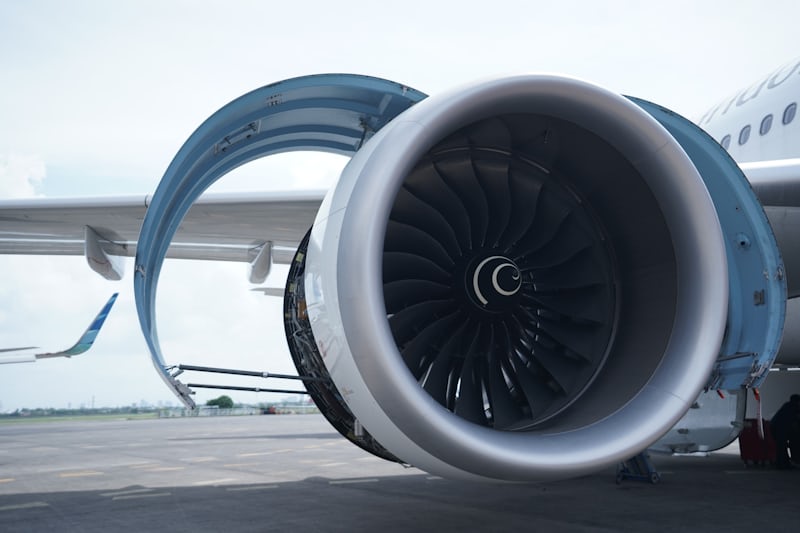
Ethiopia is entering a decisive phase in its military transformation, placing renewed emphasis on air power as a central pillar of national security. The current defence upgrade goes beyond equipment procurement. It represents a strategic shift toward deterrence, technological self-reliance, and long-term military autonomy in a region increasingly shaped by instability and evolving security threats.
At the centre of this transformation is the modernization of the Ethiopian Air Force, historically one of Africa’s more capable air arms. By 2020, it was ranked among the continent’s top four air forces, reflecting its operational experience and sustained investment in air capabilities over time.
In recent years, Ethiopia has accelerated the upgrade of its air defence systems with a focus on layered protection and improved electronic warfare capability. A major development has been the deployment of Russian-made Pantsir air defence systems, designed to intercept aircraft, drones, and precision-guided munitions at short to medium range. These systems significantly strengthen the protection of strategic infrastructure and military assets against fast-evolving aerial threats.
In parallel, Ethiopia has modernized older systems such as the S-75 high-altitude air defence platforms, integrating them with more advanced electronic countermeasures. This hybrid approach reflects a pragmatic strategy that combines legacy Soviet-era systems with newer technologies to maximise capability within existing procurement constraints.
The modernization effort also includes the gradual expansion of fourth-generation fighter aircraft, enhancing Ethiopia’s air-to-air and air-to-ground capabilities. These platforms improve surveillance, rapid response, and strike precision, all of which are increasingly important in a security environment shaped by asymmetric warfare and regional instability.
Beyond manned aircraft, Ethiopia is expanding its deployment of armed drones, which have become a defining feature of modern African military operations. These unmanned systems provide intelligence, surveillance, reconnaissance, and strike capabilities at lower operational cost, offering greater flexibility in both conventional and internal security missions.
Another important element of the upgrade is investment in domestic ammunition production and defence manufacturing capacity. This reflects a broader strategic goal of reducing reliance on external suppliers while strengthening resilience against global supply chain disruptions and geopolitical uncertainty.
Although Ethiopia’s defence spending remains modest relative to the size of its economy, its military posture is increasingly defined by adaptability and targeted capability development. The emphasis is not on scale alone, but on efficiency, modernization, and strategic prioritisation of air power.
These developments are taking place within a highly sensitive regional context. The Horn of Africa remains one of the continent’s most complex security environments, shaped by shifting alliances, border tensions, and the presence of non-state armed groups. In this setting, air superiority and rapid-response capability are becoming essential tools for maintaining sovereignty and internal stability.
Ethiopia’s approach therefore extends beyond immediate defence needs. It reflects an ambition to position the country as a regional security actor capable of shaping outcomes rather than reacting to them. The expansion of air defence systems, drone capabilities, and modern fighter fleets forms part of a broader effort to build a layered deterrence structure capable of addressing both conventional and hybrid threats.
However, analysts caution that sustaining this modernization drive will require long-term investment in training, logistics, maintenance, and systems integration. Advanced air capabilities depend not only on equipment but also on strong institutional capacity and technical expertise.
Despite these challenges, Ethiopia’s strategic direction is clear. The country is pursuing greater autonomy, reduced external dependence, and enhanced capacity to respond independently to emerging threats.
In an increasingly unpredictable regional security environment, Ethiopia is positioning its air power not only as a military tool, but as a central instrument of deterrence, influence, and national resilience.
- African Security
- Air Power
- Air Superiority
- Defence Innovation
- Defence Policy
- Defence Upgrade
- Emerging Threats
- Ethiopian Air Force
- Geopolitics
- Here are 20 strong
- Horn of Africa
- Military Modernization
- Military Strategy
- Military Technology
- National Security
- Regional Security
- Regional Stability
- relevant tags for your post
- Security Architecture
- separated by commas as requested: Ethiopia Defence
- Strategic Balance
- Strategic Deterrence

Related Articles
Nigeria’s Intelligence Offensive: Strengthening Regional Defences Against Bandit Networks
Across Nigeria’s forests, rural highways, and fragmented border regions, a new form...
Mozambique’s Energy Shield: Defending LNG Assets Against Insurgent Threats
Mozambique is intensifying efforts to protect its growing liquefied natural gas (LNG)...
Somalia’s Security Reset: Reforming Forces, Crushing Extremism
Somalia is entering a decisive phase in its long struggle for stability,...



Nigeria’s North-West Offensive: Restoring Security and Reclaiming Communities
Nigeria’s North-West has remained one of the country’s most fragile security zones...

Leave a comment