



THE ALGERIAN WAR OF INDEPENDENCE: TACTICAL LESSONS
 King Richard Igimoh, Group Editor ALOJanuary 23, 20262 Mins read
The Algerian War of Independence (1954–1962) remains one of the most instructive insurgencies of the twentieth century. Fought between the National Liberation Front (FLN) and French colonial forces, it combined rural guerrilla warfare, urban violence, and intensive counterinsurgency campaigns. While Algeria ultimately achieved independence, the conflict’s deeper significance lies in the tactical and strategic lessons it produced lessons that later shaped military thinking from Vietnam to Afghanistan. The war demonstrated how a weaker force, through asymmetric methods and political mobilization, could offset a conventionally superior adversary.
The FLN’s core method was guerrilla warfare adapted to Algeria’s geography and social structure. Operating in rural wilayats (military zones), FLN units relied on ambushes, sabotage, and night attacks against French patrols and infrastructure. Lacking heavy weapons, they emphasized mobility, concealment, and local support. These tactics were designed less to defeat French forces outright than to exhaust them and undermine their confidence. Violence against collaborators and rival factions, while brutal, was intended to assert control and deter opposition, consolidating the FLN’s authority in contested areas.
This approach forced France into a dispersed and resource-intensive posture. Securing roads, villages, and borders across a vast territory strained manpower and logistics. More importantly, the conflict increasingly became a struggle over the population rather than territory, drawing civilians into the center of military operations and political messaging.
After initial hesitation, French forces adapted quickly. By 1956, commanders implemented quadrillage, dividing Algeria into sectors for systematic control. This framework combined static security, mobile search-and-destroy operations, and intelligence-led targeting. Villages were relocated into controlled settlements, supply routes were monitored, and borders were sealed with electrified fences and minefields. Militarily, these measures proved effective, particularly in isolating rural insurgent bands and disrupting FLN logistics.
The Battle of Algiers in 1957 illustrated the strengths and limits of urban counterinsurgency. French paratroopers under General Jacques Massu dismantled the FLN’s urban network through curfews, neighborhood cordons, mass arrests, and intensive intelligence collection. The city was divided into sectors, and key operatives, including Yacef Saadi, were captured. From a narrow operational standpoint, the campaign succeeded in breaking the FLN’s ability to conduct sustained attacks in Algiers.
However, these gains came at a high cost. Interrogation practices, including systematic torture, produced short-term intelligence but inflicted lasting strategic damage. Reports of abuse alienated the Algerian population, fractured opinion within France, and provoked international condemnation. Rather than defeating the insurgency politically, these methods strengthened the FLN’s narrative and accelerated pressure for decolonization. The war demonstrated that tactics which deliver immediate results can still undermine long-term objectives.
Another overlooked lesson lies in the FLN’s internal conduct. The movement was far from unified, and its leadership used coercion, purges, and intimidation to eliminate rivals and enforce discipline. While this ensured organizational dominance, it also entrenched militarized politics and normalized violence as a tool of governance. These dynamics foreshadowed patterns that resurfaced during Algeria’s civil war in the 1990s, highlighting how insurgent tactics can shape post-conflict political cultures.
By 1960, French forces had largely defeated the FLN militarily. Yet victory on the battlefield did not translate into political success. Domestic opposition in France, international isolation, and the erosion of moral legitimacy made continued rule untenable. The disconnect between tactical success and strategic failure became one of the war’s most enduring lessons. Subsequent counterinsurgency doctrines, including U.S. field manuals, emphasized population protection, political legitimacy, and restraint as essential complements to military force.
The Algerian War’s legacy remains relevant. Modern counterinsurgency campaigns continue to grapple with the same tensions between security, legitimacy, and ethics. Algeria’s experience underscores a central reality of asymmetric conflict: military effectiveness cannot be separated from political consequences. Tactical brilliance, when divorced from moral and strategic considerations, may win battles but still lose wars.




Related Articles
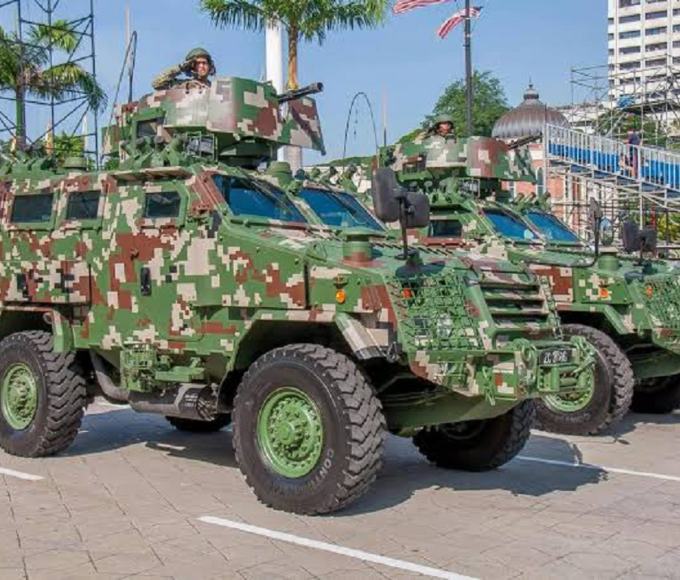
DEFENCE MANUFACTURING CLUSTERS EMERGING IN AFRICA
Africa’s defence manufacturing sector is increasingly organized around specialized industrial clusters, reflecting...
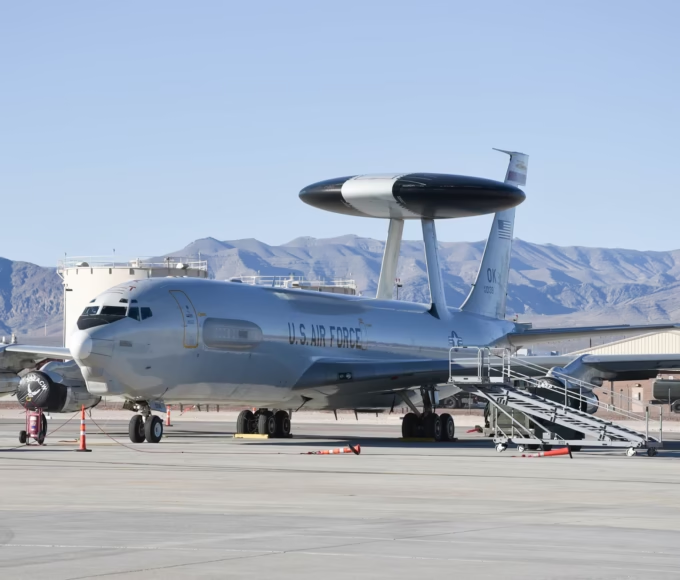
THE RISE OF AFRICAN AIRBORNE EARLY WARNING SYSTEMS
As security threats across Africa grow more complex, a quiet transformation is...
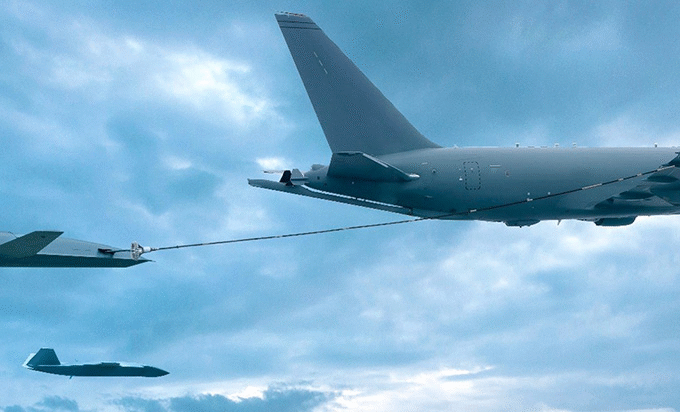
AERIAL REFUELLING IN AFRICA: WHO HAS THE CAPABILITY?
Aerial refuelling transferring fuel between aircraft in mid-flight is one of modern...
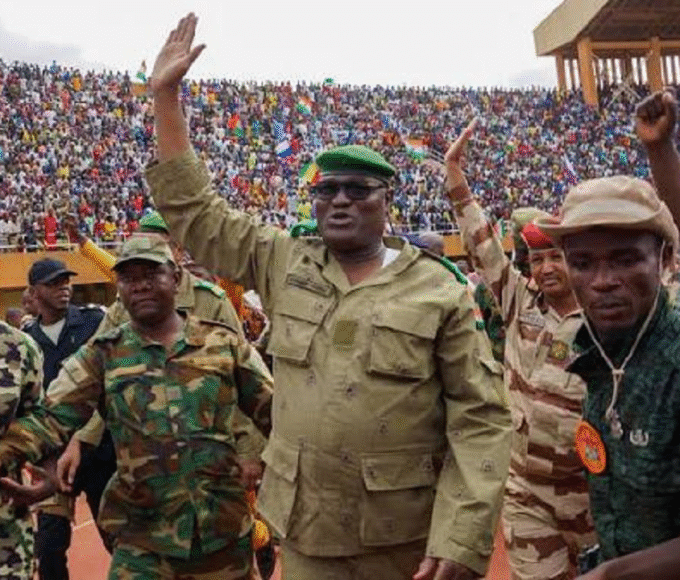


ECOWAS MILITARY INTERVENTION IN NIGER: A TURNING POINT?
The coup d’état in Niger on July 26, 2023, marked a seismic...
