





THE RED SEA AND HORN OF AFRICA: HOTSPOTS OF MARITIME CONFLICT
 King Richard Igimoh, Group Editor ALODecember 23, 20253 Mins read
 By December 2025, the Red Sea and the Horn of Africa sit at the center of a widening maritime security crisis. Political conflict, militant activity, and the return of piracy have combined to threaten one of the world’s most important sea lanes. The Bab al-Mandeb Strait linking the Red Sea to the Gulf of Aden remains a strategic chokepoint for global trade, carrying a significant share of cargo moving between Asia and Europe through the Suez Canal. Persistent attacks have forced shipping companies to divert vessels around southern Africa, driving up transport costs, insurance rates, and delivery times.
The most destabilizing factor in the Red Sea has been the campaign by Yemen’s Houthi movement. Following the escalation of the Gaza war in late 2023, Houthi operations against commercial shipping intensified throughout 2024 and 2025. Using drones, missiles, and explosive-laden boats, the group targeted vessels it claimed were linked to Israel and its allies. By mid-2025, the pace and reach of these attacks had sharply reduced traffic through the Bab al-Mandeb, disrupting global supply chains and humanitarian shipments to conflict-affected regions, including Sudan.
Several high-profile incidents underscored the severity of the threat. In July 2025, two Greek-operated bulk carriers were struck and later sank after separate attacks, resulting in crew casualties and kidnappings. These events reinforced industry fears that commercial shipping had become a strategic pressure point in a broader regional confrontation. While short pauses followed ceasefire efforts linked to the Gaza conflict most notably in early 2025 attacks resumed intermittently, reflecting the Houthis’ ability to reconstitute and adapt. Analysts caution that even if hostilities ease, the group’s access to advanced weapons and its regional backers will continue to pose risks to maritime traffic.
Further east, the Horn of Africa has seen a troubling revival of Somali piracy. After nearly a decade of decline, pirate activity increased noticeably in 2025, aided by reduced international naval patrols as resources were redirected toward the Red Sea. Somalia’s prolonged political instability, limited economic opportunities along the coast, and weak maritime governance have again created conditions in which piracy can flourish.
Pirate groups have returned to tactics last seen in the early 2010s, using hijacked fishing vessels and dhows as mobile bases to strike far from shore. Early 2025 saw a series of hijackings involving small commercial vessels, followed by more ambitious attempts later in the year, including attacks on tankers transiting near Puntland. While some incidents were thwarted by onboard security teams or naval intervention, they revealed how quickly dormant networks can reactivate when enforcement pressure eases.
This resurgence intersects with other security concerns in the region. Intelligence assessments have raised alarms about possible links between Somali militant groups and external actors, enabling the movement of weapons and illicit financing. At the same time, illegal fishing by foreign fleets continues to erode local livelihoods, feeding resentment in coastal communities and creating a steady pool of recruits for criminal networks.
The economic consequences of instability across the Red Sea and Horn of Africa are far-reaching. Shipping firms now factor in elevated war-risk premiums, while longer routes strain fuel supplies and raise prices worldwide. Delays in food and medical deliveries complicate humanitarian operations, and environmental risks from damaged vessels or potential spills add another layer of concern. For seafarers, the dangers are immediate, with heightened exposure to attacks, detentions, and prolonged voyages through contested waters.
International responses have been robust but uneven. Multinational naval missions, including US-led and European operations, continue to escort vessels and intercept threats. However, competing crises and limited resources have stretched these efforts. Security experts argue that patrols alone cannot provide a lasting solution. Strengthening coast guard capabilities in regional states, improving intelligence sharing, and sustaining diplomatic engagement to address conflicts in Yemen and Somalia remain essential.
As 2025 draws to a close, the Red Sea and Horn of Africa illustrate how regional conflicts can quickly spill into global commerce. Restoring confidence in these waters will require coordinated deterrence at sea, political solutions on land, and long-term investment in maritime governance. Without that balance, one of the world’s most vital shipping corridors is likely to remain a flashpoint well into the future.





Related Articles
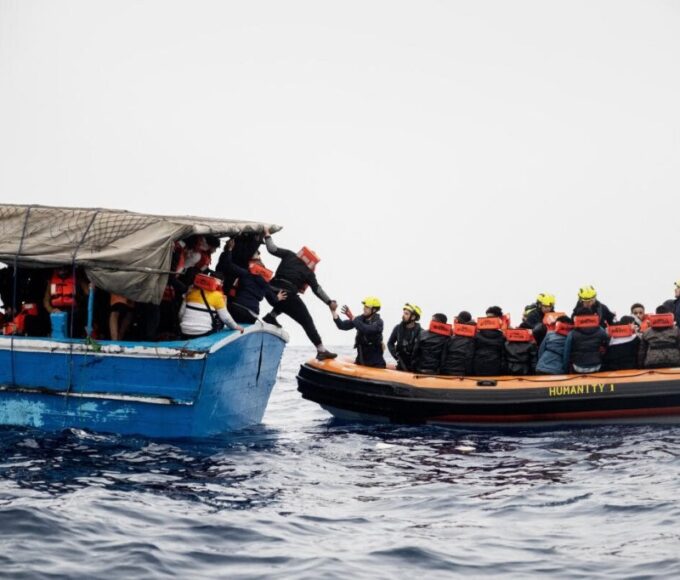
NAVAL FORCES EMERGE AS LIFELINES IN GLOBAL HUMANITARIAN RESCUE MISSIONS
Modern navies are increasingly defined not only by their combat power but...

THE STRATEGIC IMPORTANCE OF DJIBOUTI’S PORTS
Djibouti, a small nation located on the Horn of Africa, commands an...

SUBMARINE PROGRAMMES IN AFRICA: PRESTIGE OR NECESSITY?
Africa’s naval power has long rested on surface vessels, yet the rise...


AFRICA’S GROWING NAVAL AMBITIONS: WHO LEADS THE PACK?
Africa’s coastlines support millions of families on the continent. From a thriving...
