


INDUSTRY – DEFENCE PROCUREMENT SCANDALS IN AFRICA: LESSONS LEARNED
 King Richard Igimoh, Group Editor ALODecember 19, 20253 Mins read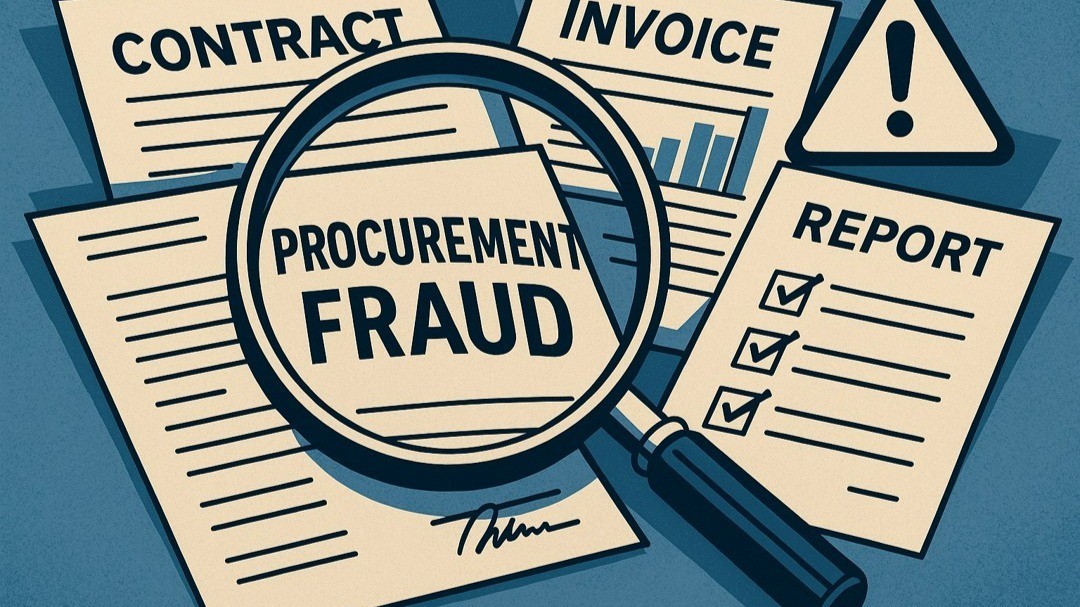
Defence procurement scandals have left a deep mark on Africa’s security landscape. Over the past three decades, flawed and corrupt arms deals have drained public finances, weakened military readiness, and damaged citizens’ confidence in government. Billions of dollars intended to equip armed forces have instead moved through offshore accounts, shell companies, and illicit commissions. The consequences are tangible: under-equipped troops facing insurgencies, while funding that could have supported schools or hospitals disappears. As arms imports rise amid growing security pressures, these scandals underscore how poor governance in defence procurement can become a direct threat to national stability.
South Africa’s 1999 Strategic Arms Procurement Package remains the continent’s most widely cited example. Valued at about $5 billion, the deal covered warships, submarines, fighter jets, and helicopters purchased from European suppliers. Almost from the outset, allegations surfaced that bribes estimated at hundreds of millions of dollars were used to influence tender decisions. Senior political figures were implicated, including then–Deputy President Jacob Zuma, who later faced charges related to alleged kickbacks routed through intermediaries. Others, such as Defence Minister Joe Modise and parliamentarian Tony Yengeni, were drawn into investigations, with Yengeni eventually convicted of fraud for accepting inducements.
Related Articles: SYSTEMS & TECHNOLOGY – 3D PRINTING AND AFRICA’S DEFENCE INDUSTRY REVOLUTION
The fallout from the Arms Deal stretched over two decades. Early inquiries exposed serious procurement irregularities, yet accountability was delayed and uneven. A commission established in 2016 cleared many of the central actors, only for a high court to overturn its findings in 2019, citing a failure to properly assess evidence. While some corporate penalties were imposed abroad most notably a major fine paid by BAE Systems in the United States domestic consequences were limited. The episode revealed how promised industrial “offsets” were overstated, delivering little lasting benefit to South Africa’s defence industry while public trust steadily eroded.
Nigeria’s experience offered a starker illustration of how corruption can directly worsen insecurity. Between 2014 and 2015, more than $2 billion allocated to fight Boko Haram was diverted under the supervision of the former National Security Adviser, Sambo Dasuki. Funds meant for aircraft, ammunition, and logistics were instead distributed through a web of shell companies to politicians and associates. As a result, troops confronting a brutal insurgency were left with outdated equipment, at a time when violence was displacing millions across the northeast.
Efforts to recover stolen Nigerian funds have produced mixed results. Authorities have secured some asset seizures abroad, including millions of dollars traced to foreign bank accounts, and pledged to redirect recovered sums toward public use. Yet many individuals linked to the scandal have avoided full prosecution. The case exposed systemic weaknesses: opaque procurement processes, limited legislative oversight, and the concentration of decision-making power in a few offices, all of which made large-scale abuse possible.
Similar patterns recur elsewhere on the continent. In Uganda, a late-1990s helicopter purchase was tainted by allegations of bribes and faulty equipment. Angola’s long-running use of oil revenues to finance arms deals through intermediaries blurred the line between state security and private enrichment. In the Democratic Republic of Congo, revenues from diamonds were diverted to acquire weapons from questionable suppliers. Tanzania’s investigations in the mid-2000s revealed commissions far above international norms embedded in arms contracts. These cases differ in detail but share common features: off-budget financing, weak scrutiny, and close ties between political elites and arms brokers.
Several structural factors enable such scandals. Defence budgets are often shielded from public scrutiny in the name of national security. Donor restrictions can push spending off the books, while under-resourced parliaments struggle to exercise oversight. Foreign suppliers and intermediaries exploit these gaps, using incentives to secure contracts in environments where accountability is limited.
The lessons are clear. Transparent tender processes, enforceable anti-bribery laws, and strong parliamentary and audit institutions are essential. Regional coordination through bodies such as the African Union could help standardize procurement rules and reduce the secrecy that fuels abuse. Digital tracking of contracts, clearer reporting requirements, and protections for whistleblowers would further narrow the space for corruption.
Defence procurement will always involve sensitive decisions. But without reform, it risks remaining a channel for personal gain rather than public security. By confronting past failures and strengthening institutions, African states can begin to ensure that military spending serves its intended purpose: protecting citizens and supporting long-term development, not enriching a few at the public’s expense.


Related Articles
THE NEW WATCHTOWERS: HOW SURVEILLANCE TOWERS AND DRONES BECAME CENTRAL TO MODERN BORDER CONTROL
Along the Arizona–Mexico border, a 160-foot steel structure Autonomous Surveillance Tower (AST)...

WOMEN IN DEFENSE INDUSTRIES: INNOVATORS, ENGINEERS, AND LEADERS
The global defense sector, long viewed as a male-dominated arena, is undergoing...
South Africa’s Arms Industry: Lessons for Continental Defence Sustainability
Once the undisputed leader of Africa’s defence manufacturing landscape, South Africa’s arms...


Offset Policies and Local Content in African Defence Procurement
As African governments spend billions on foreign military hardware, there is...
