




DIPLOMACY, PEACE & CIVIL SECURITY – CROSS-BORDER PEACE PACTS IN EAST AFRICA: SUCCESS OR FAILURE?
 King Richard Igimoh, Group Editor ALONovember 24, 20253 Mins read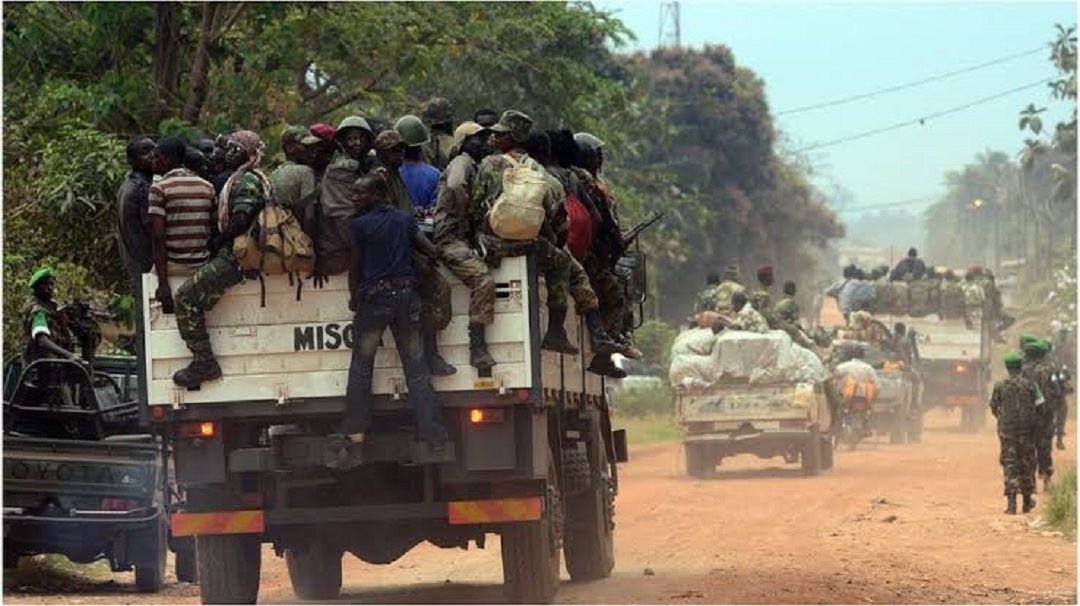
From the windswept Karamoja hills to the fishing villages of Lake Victoria, East Africa has spent the last fifteen years signing an alphabet soup of cross-border peace agreements aimed at curbing cattle rustling, disarming pastoralist warriors, and stopping rebel groups from treating international borders as revolving doors. Launched with fanfare in Juba, Moroto, and Lodwar, initiatives such as the Karamoja Cluster Initiative, the Turkana–West Pokot Peace Accord, and the 2019 Nairobi Agreement on Toposa–Didinga reconciliation promised a new era of grassroots diplomacy. By late 2025, the central question is unavoidable: did these pacts deliver real peace or only photogenic ceremonies?
The clearest success lies along the Uganda–Kenya frontier. Between 2010 and 2019, joint peace crusades led by Catholic missionaries and funded by Denmark reduced lethal raids between Turkana, Matheniko, and Dodoth groups by roughly 80 percent, according to IGAD data. Cross-border grazing pacts now allow Kenyan Turkana herders to water cattle inside Uganda’s Moroto district during drought without sparking retaliation. Local peace committees operating on little more than mobile phones, motorbikes, and long-standing relationships have mediated hundreds of disputes before they can escalate into the week-long battles that once defined the region.
Related Article: THE ROLE OF TRADITIONAL RULERS IN SECURITY DIPLOMACY
Just a few hundred kilometers south, however, the model has unraveled. The 2015 Lodwar Declaration between Ethiopia’s South Omo and Kenya’s Turkana communities was intended to replicate northern gains but collapsed within three years. Ethiopian military sweeps against Dassanech militias pushed fighters into Kenya, where they regrouped and rearmed. By 2024, raids near the Ilemi Triangle were deadlier than at any time since 2010, with automatic weapons replacing spears and GPS-guided ambushes replacing traditional cattle trails.
South Sudan’s borderlands reveal the limitations most starkly. The 2013 Lokichoggio Peace Accord between the Toposa of Eastern Equatoria and Kenya’s Turkana survived only until South Sudan’s civil war reignited in 2016. Refugee flows and the proliferation of SPLA-IO and NAF militias turned the border into a free-market for weapons. A 2022 IGAD-backed effort to revive the pact yielded a polished 40-page document signed in Nadapal, but local elders concede the ceasefire is largely symbolic. Night raids continue, and Kenyan police increasingly treat the entire frontier as a high-risk zone.
Somalia offers a similarly mixed picture. The 2019 Dollow Agreement between Somali clans in Gedo and Kenyan communities in Mandera was hailed as a breakthrough after al-Shabaab exploited clan rivalries to stage cross-border attacks. Joint patrols by Kenyan and Somali police overseen by AMISOM mentors did reduce bombings in Mandera town. Yet the same clans quietly collect taxes from al-Shabaab convoys passing through their territory, underscoring a deeper truth: local peace deals can temper violence but rarely transform the political economy that sustains armed groups.
Ultimately, money and politics determine the durability of these pacts. Initiatives with consistent funding Denmark and Switzerland in Karamoja, the EU Trust Fund along the Kenya–Uganda corridor continue to function. Those dependent on irregular IGAD allocations or national budgets quietly fade. When presidents shift priorities or ministers are reshuffled, district peace committees are often the first structures abandoned. The 2023 breakdown of Ethiopia–Kenya security cooperation after Addis Ababa’s memorandum with Somaliland demonstrated how local peace architectures remain vulnerable to capital-city geopolitics.
Community ownership is the other decisive factor. Agreements endure where women’s groups, elders, and youth are given meaningful roles in designing, monitoring, and enforcing them as seen in the Turkana North peace committees. Where deals are scripted by NGOs and security officials in distant conference halls, they crumble the moment project vehicles drive away.
After fifteen years of experimentation, a quiet consensus has emerged among peace practitioners: cross-border agreements succeed when they are hyper-local, reliably funded, and insulated from national political turbulence. They fail when treated as diplomatic checkboxes rather than living systems that require constant tending. East Africa now possesses a workable playbook capable of reducing pastoralist violence and rebel infiltration by half or more but only if governments are willing to cede real decision-making power to the very communities they have long distrusted.
Until that paradox is resolved, the handshakes will remain fragile, and each approaching dry season will determine anew whether the peace holds or whether the guns return.




Related Articles

Why General C.G. Musa Is the Right Defence Minister for Nigeria—Right Now
President Bola Tinubu’s nomination of General Christopher Gwabin Musa (rtd.) as Minister...

ECOWAS MILITARY INTERVENTION IN NIGER: A TURNING POINT?
The coup d’état in Niger on July 26, 2023, marked a seismic...
CIVIL-MILITARY RELATIONS IN FRAGILE STATES
Fragile states marked by weak governance, economic instability, and persistent unrest face...


WHY AFRICA NEEDS A UNIFIED DEFENCE POLICY FOR THE 21ST CENTURY
In an era of escalating geopolitical tensions, resource conflicts, and transnational threats...
