



DEFENCE MINISTERS’ MEETINGS: OUTCOMES THAT MATTER
 King Richard Igimoh, Group Editor ALOJanuary 21, 20263 Mins read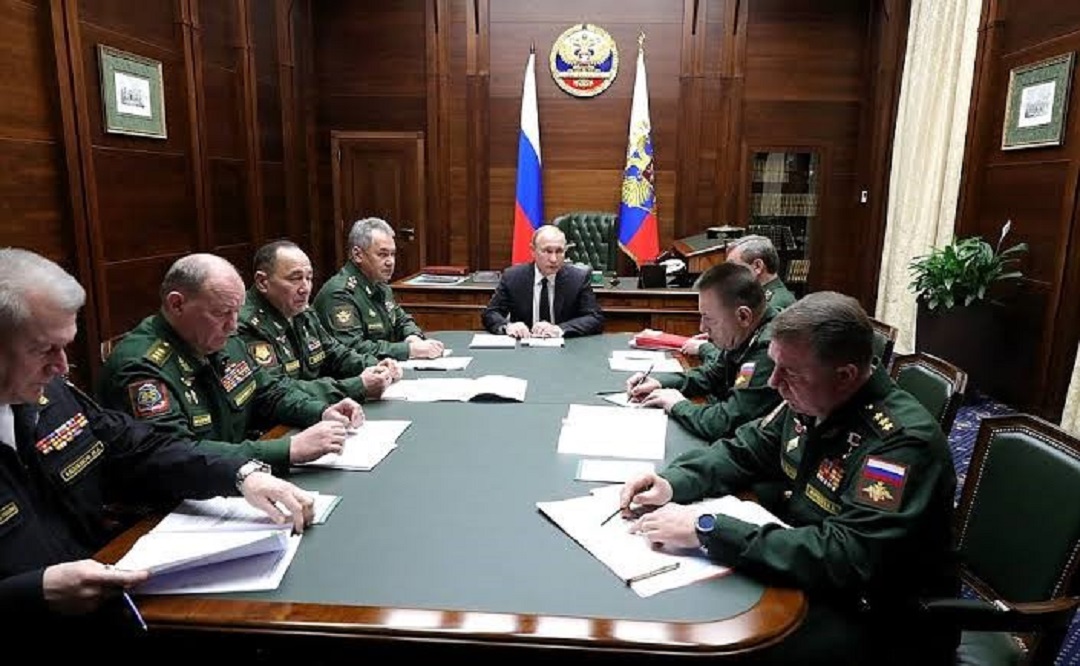
As geopolitical pressures intensified in 2025, defence ministers’ meetings shifted from routine coordination to decision-making forums with real strategic weight. From NATO headquarters in Brussels to regional dialogues across the Indo-Pacific, these gatherings delivered funding commitments, operational plans, and industrial partnerships that directly shaped military readiness. With the wars in Ukraine and the Middle East continuing and strategic competition sharpening in Asia, ministers focused less on statements of intent and more on capabilities, supply chains, and collective action.
NATO’s defence ministers’ meetings were central to this shift. Throughout the year, allies concentrated on closing critical gaps exposed by Russia’s war against Ukraine. The October meeting in Brussels accelerated capability targets for air defence, long-range fires, and combat aircraft, while earlier sessions addressed command integration and defence planning. The most consequential outcome was consensus around a proposed 5% of GDP defence spending benchmark ahead of the 2025 Hague Summit. Under the plan, 3.5% would go to core military needs and 1.5% to broader security investments, including infrastructure and resilience. Backed by all allies, including the United States, the proposal reflected a shared assessment that deterrence now requires sustained, predictable investment.
Related Articles: DEFENCE DIPLOMACY AS A TOOL OF AFRICAN SOFT POWER
In the Indo-Pacific, the Australia–U.S. Ministerial Consultations (AUSMIN) in December marked 40 years of defence cooperation with a clear forward agenda. Meeting in Washington, ministers committed to deeper integration of defence industries and operational planning ahead of the ANZUS Treaty’s 75th anniversary in 2026. Concrete outcomes included work toward a Customs Mutual Assistance Agreement to address illicit trade, a new framework to secure critical minerals supply chains, and expanded coordination through the Quad. The emphasis was not only on military power, but also on economic resilience as a pillar of regional security.
European defence priorities remained anchored in support for Ukraine. At the EU Foreign Affairs Council on Defence in December, ministers met with Ukrainian Defence Minister Denys Shmyhal and NATO’s deputy secretary general to accelerate military assistance and financing. Discussions focused on short-term funding options, expanding defence-industrial cooperation, and countering Russia’s shadow fleet. These talks built on the EU’s broader financial commitment, including a €90 billion loan package intended to cover a significant share of Ukraine’s needs over the next two years. The meeting reinforced coordination with NATO while also addressing spillover effects on European energy security and infrastructure.
Regional cooperation in Southeast Asia also advanced through practical measures. The ASEAN Defence Ministers’ Meeting (ADMM) in Kuala Lumpur in October underscored the group’s emphasis on dialogue and stability. Ministers welcomed a ceasefire observer team addressing Cambodia–Thailand tensions and confirmed the Philippines as host for the 2026 meeting. Alongside this, the ADMM-Plus Counter Terrorism Exercise in New Delhi focused on joint training and field operations, with Malaysia selected to host the next tabletop exercise. These initiatives aimed to strengthen interoperability and address non-traditional security threats, including terrorism and maritime disputes.
Bilateral defence ties complemented multilateral efforts. India and Germany used their November High Defence Committee meeting in New Delhi to endorse expanded joint exercises, staff talks, and naval port calls, alongside launching a new Track 1.5 dialogue on foreign and security policy. India and Singapore, meeting in September for their 16th Defence Working Group, committed to deeper cooperation in training, defence technology, and maritime security under their Comprehensive Strategic Partnership. Both engagements reflected growing emphasis on interoperability in the Indian Ocean region.
In the South Pacific, the Defence Ministers’ Meeting hosted by Chile in October reinforced cooperation among Australia, New Zealand, Fiji, and regional partners. Ministers endorsed the second phase of the Pacific Response Group for crisis deployments, explored a regional Status of Forces Agreement, and advanced work on a Women, Peace, and Security guidance note for 2026. Fiji’s agreement to host the next meeting highlighted the region’s inclusive approach to security, with a strong focus on disaster response and humanitarian assistance.
Taken together, the outcomes of 2025’s defence ministers’ meetings point to a world preparing for sustained uncertainty. Increased spending targets, tighter industrial links, and more frequent joint exercises suggest a shift from short-term reassurance to long-term preparedness. Whether these commitments translate into lasting stability will depend on consistent follow-through, transparency, and the ability of alliances to adapt as rapidly as the challenges they face.


Related Articles
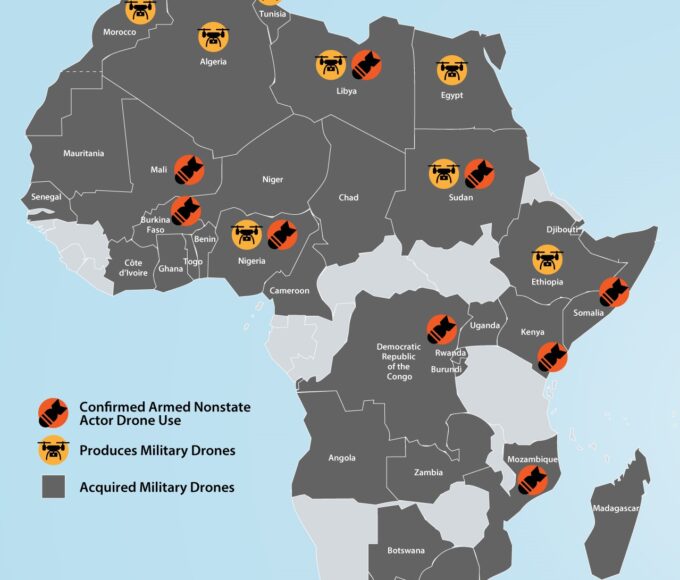
BEST DEFENCE POLICY PAPERS ON AFRICA IN THE LAST DECADE
Between 2016 and 2026, defence policy thinking on Africa shifted in response...
BEST DEFENCE POLICY PAPERS ON AFRICA IN THE LAST DECADE
Between 2016 and 2026, defence policy thinking on Africa shifted in response...
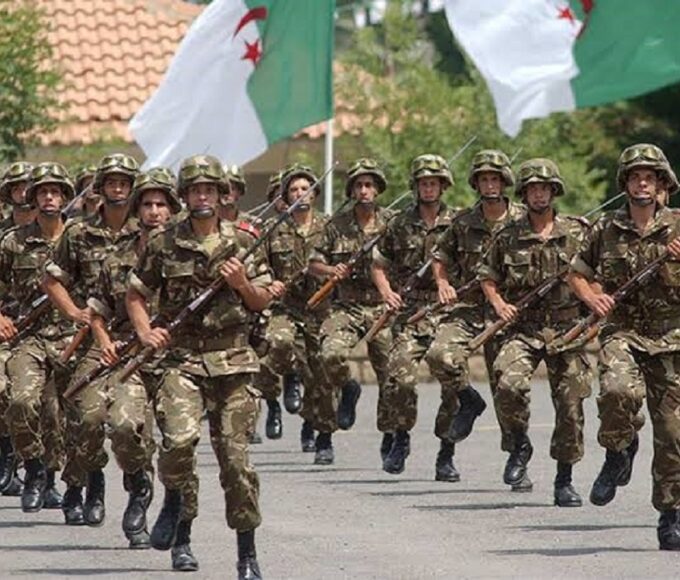
THE ALGERIAN WAR OF INDEPENDENCE: TACTICAL LESSONS
The Algerian War of Independence (1954–1962) remains one of the most instructive...


DEFENCE DIPLOMACY AS A TOOL OF AFRICAN SOFT POWER
As global geopolitics grows more complex, African states are increasingly turning to...
