


AFRICA’S DEFENCE FUTURE IN A MULTIPOLAR WORLD
 King Richard Igimoh, Group Editor ALOJanuary 2, 20263 Mins read
 Global power is no longer dominated by a small circle of superpowers. Instead, influence is dispersed among competing actors the United States, China, Russia, and emerging blocs such as BRICS reshaping how security is negotiated worldwide. For Africa, this shift is not merely a geopolitical backdrop; it is a turning point. The continent’s defense landscape is being forced to evolve, offering African states a rare chance to assert strategic agency after decades of externally driven security arrangements.
Africa’s security posture has long been shaped by history rather than choice. Colonial borders imposed fragile political geographies, sowing the seeds of ethnic conflict and territorial disputes. During the Cold War, Africa became a theatre for ideological competition, with rival powers backing regimes and militias to advance external interests. The post–Cold War era replaced bipolar rivalry with Western dominance, deepening Africa’s reliance on foreign military aid, peacekeeping missions, and security assistance. While these interventions addressed immediate crises, they often weakened local capacity and entrenched dependency. The emerging multipolar order exposes the limits of this model and demands a recalibration.
New power dynamics are already reshaping Africa’s defense partnerships. China has expanded its presence through infrastructure-linked security cooperation, while Russia has deepened its footprint via private military contractors, particularly in fragile states across the Sahel. These alternatives to Western security frameworks give African governments leverage to negotiate beyond a single axis of power. Yet diversification alone does not guarantee autonomy. Without coherent strategy, multipolar engagement risks reproducing extractive relationships under new banners, where security support is traded for resources, political alignment, or silence in global forums
Africa’s internal security challenges make this moment especially precarious. Armed insurgencies, terrorism, and transnational crime persist across several regions. Competition over critical minerals intensifies local tensions, while climate change amplifies resource scarcity and displacement. Rapid urbanization and a growing youth population are driving political pressure for accountability, even as cyber vulnerabilities expose states to digital espionage and disruption. Financial leakage through illicit flows continues to drain resources that could otherwise fund defense modernization. Fragmented responses to these pressures risk turning Africa into an arena for proxy competition rather than a coordinated security actor.
Yet multipolarity also presents clear opportunities. By engaging multiple partners without exclusive alignment, Africa can pursue balanced diplomacy that prioritizes sovereignty and development. Continental frameworks such as Agenda 2063 and the African Continental Free Trade Area offer pathways to deepen economic integration, strengthen fiscal capacity, and support indigenous defense industries. Expanded cooperation with BRICS countries now including African members opens access to alternative financing, technology transfer, and infrastructure investment, reducing dependence on traditional lenders.
Crucially, this shift enables a broader understanding of security. Rather than focusing narrowly on military strength, African states can prioritize human security governance, economic inclusion, climate resilience, and social stability as the foundation of durable defense. Security policy, in this sense, becomes inseparable from development policy.
African-led institutions must anchor this transformation. The African Peace and Security Architecture requires renewed emphasis on early warning, conflict prevention, and mediation, rather than reactive intervention. Regional blocs such as ECOWAS and SADC must coordinate positions more consistently to avoid external divide-and-rule dynamics. Conferences of African defense leaders increasingly highlight the need for shared doctrine, technological adaptation, and financial independence, signaling a gradual shift toward collective ownership of security outcomes.
To succeed, Africa must pair external engagement with internal reform. Combating corruption, investing in education and research, and strengthening cross-border intelligence and cyber cooperation are essential. Implementing continental frameworks on data protection and digital security will be critical as warfare expands beyond physical battlefields. Above all, African states must act together leveraging scale, population, and resources to negotiate from a position of strength.
Africa’s defense future will not be secured by choosing sides, but by choosing strategy. Multipolarity offers space to move from dependency to decision-making power. If African states invest in unity, institutional strength, and pragmatic partnerships, the continent can shape its own security agenda no longer reacting to global shifts, but influencing them.



Related Articles
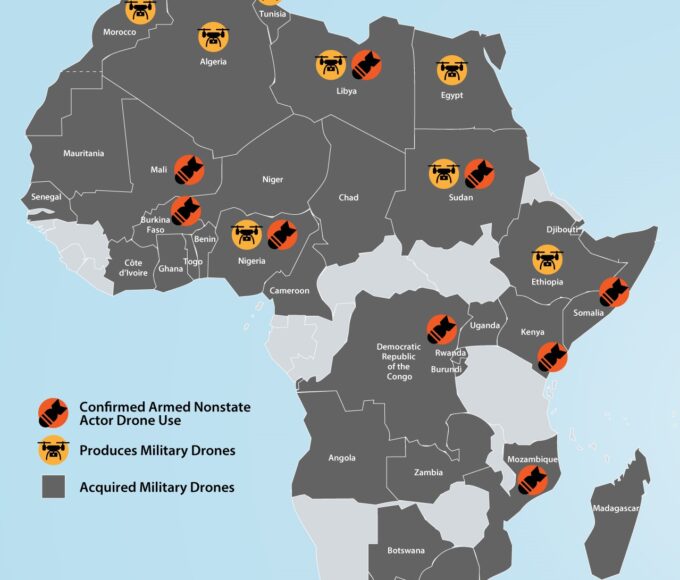
BEST DEFENCE POLICY PAPERS ON AFRICA IN THE LAST DECADE
Between 2016 and 2026, defence policy thinking on Africa shifted in response...
BEST DEFENCE POLICY PAPERS ON AFRICA IN THE LAST DECADE
Between 2016 and 2026, defence policy thinking on Africa shifted in response...
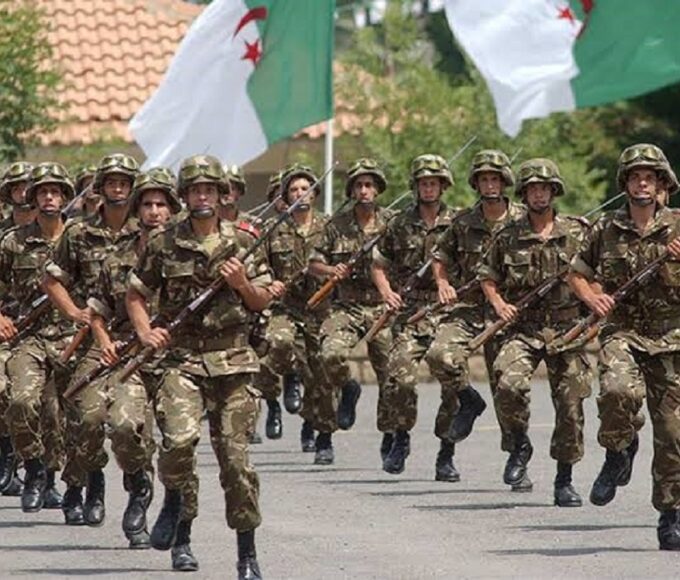
THE ALGERIAN WAR OF INDEPENDENCE: TACTICAL LESSONS
The Algerian War of Independence (1954–1962) remains one of the most instructive...
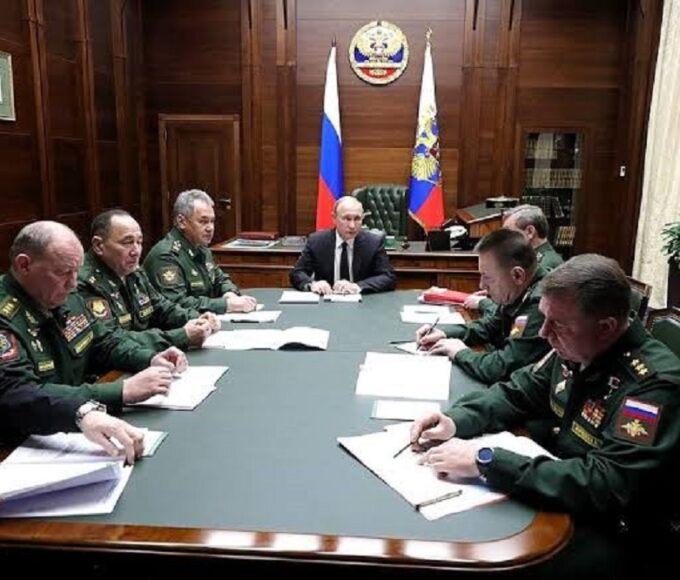


DEFENCE MINISTERS’ MEETINGS: OUTCOMES THAT MATTER
As geopolitical pressures intensified in 2025, defence ministers’ meetings shifted from routine...
