

Mozambique’s Energy Shield: Defending LNG Assets Against Insurgent Threats
 admag_adminApril 28, 20262 Mins read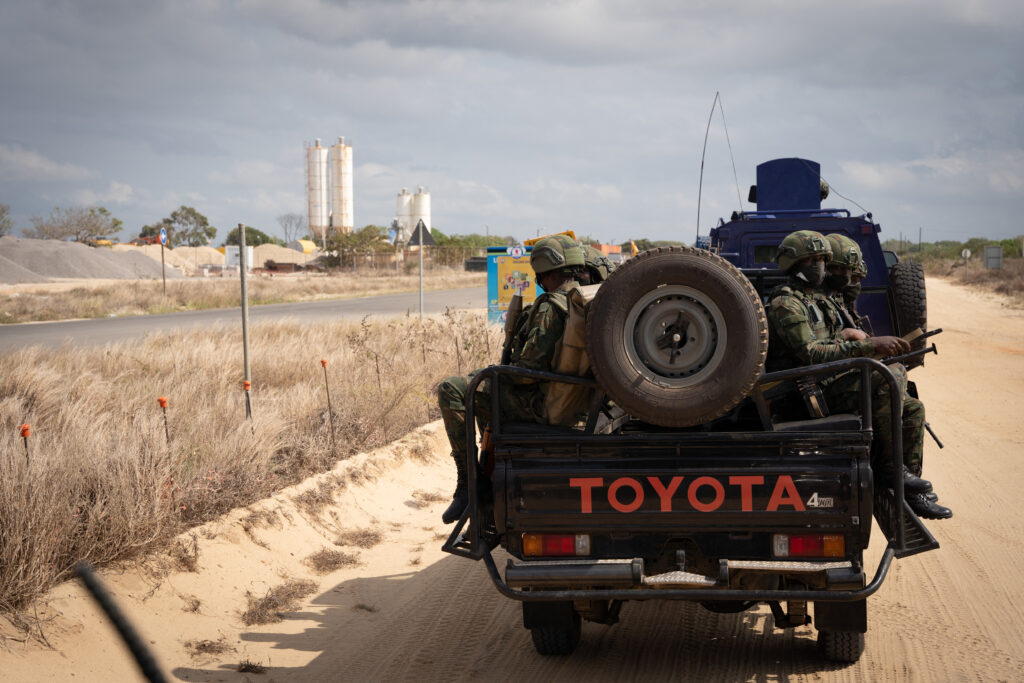
Mozambique is intensifying efforts to protect its growing liquefied natural gas (LNG) sector as insurgent threats continue to challenge stability in the country’s resource-rich northern region. With billions of dollars in foreign investment tied to offshore gas projects, the government is under increasing pressure to secure critical energy infrastructure while restoring confidence among international investors.
At the centre of Mozambique’s energy ambitions is the Cabo Delgado province, where vast offshore natural gas discoveries have positioned the country as a future major player in global LNG exports. International energy companies have invested heavily in projects expected to transform Mozambique’s economy and generate long-term revenue.
One of the most significant projects is the Mozambique LNG project, led by TotalEnergies, valued at roughly $20 billion. The project was suspended in 2021 after escalating insurgent attacks near the town of Palma forced the evacuation of workers and raised global concerns about the security of the region.
The insurgency, linked to extremist groups operating in northern Mozambique, has caused thousands of deaths and displaced hundreds of thousands of civilians since violence escalated in 2017. Militants have targeted villages, security installations, and strategic infrastructure, creating a prolonged humanitarian and economic crisis.
To strengthen security, Mozambique has increased military cooperation with regional and international partners. Troops from Rwanda have played a major role in supporting Mozambican forces in reclaiming insurgent-held territory. The Southern African Development Community (SADC) also deployed regional troops under the SADC Mission in Mozambique (SAMIM) to help stabilise affected communities.
These operations have helped reduce insurgent activity in some key areas surrounding major gas investments. Improved security conditions have encouraged cautious optimism that suspended projects may resume full operations.
TotalEnergies has repeatedly stated that security improvements remain essential before full construction resumes. The company has continued assessing conditions on the ground while working with Mozambican authorities on long-term risk mitigation.
Meanwhile, Eni has already moved forward with the Coral South Floating LNG project, which began exporting LNG and marked a major milestone for Mozambique’s energy sector. The success of this project demonstrates the country’s significant long-term potential despite security concerns.
Protecting LNG infrastructure has become a national economic priority. Natural gas revenues could help Mozambique improve infrastructure, healthcare, education, and poverty reduction efforts if managed effectively.
However, analysts warn that military responses alone may not fully resolve the insurgency. Poverty, unemployment, weak governance, and local grievances have contributed to instability in Cabo Delgado. Long-term peace may require broader development strategies that create economic opportunities for local communities.
There are also concerns about ensuring that gas revenues are distributed fairly and transparently. Many citizens in resource-rich regions have expressed frustration over limited economic benefits from large-scale energy investments.
For Mozambique, securing LNG assets is about more than protecting corporate investments—it is about safeguarding a major pillar of future national development.
Success will depend on maintaining security gains, rebuilding trust among affected communities, and ensuring that energy wealth supports inclusive growth.
As global demand for cleaner transitional fuels remains strong, Mozambique’s ability to defend its LNG assets while addressing the roots of insurgency could determine whether it becomes one of Africa’s most important energy success stories.
Related Articles
Somalia’s Security Reset: Reforming Forces, Crushing Extremism
Somalia is entering a decisive phase in its long struggle for stability,...
Nigeria’s North-West Offensive: Restoring Security and Reclaiming Communities
Nigeria’s North-West has remained one of the country’s most fragile security zones...

Kenya’s Smart Borders: Using AI to Fight Crime and Secure Trade
Kenya is increasingly deploying artificial intelligence and digital technologies to strengthen border...


STRATEGIC PLANNING MANUALS EVERY LEADER SHOULD STUDY
strategic planning, leadership development, business strategy, executive leadership, organisational growth, decision making,...

Leave a comment