





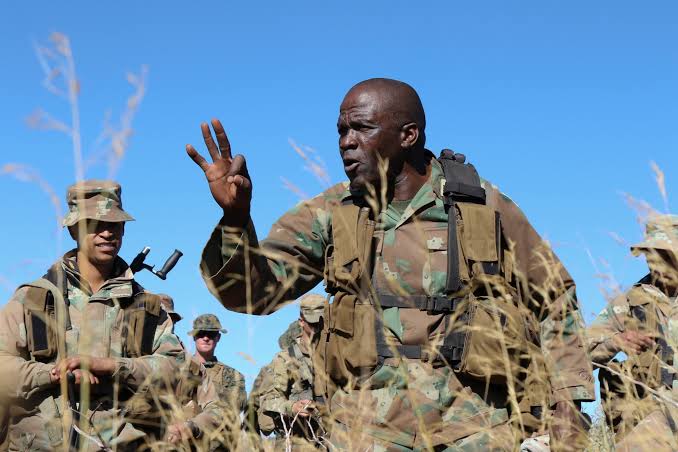
In democracies around the world, veterans’ associations are more than social networks. They are institutions that translate military service into civic influence. From North America to Europe, Africa, and Asia, organized veterans have shaped public policy, defended benefits, and reinforced the principle that those who serve the state deserve lasting support in return. In the United States home to one of the most developed veterans’ systems these organizations have played an especially visible role in shaping healthcare, education benefits, and disability policy for more than a century.
Modern veterans’ advocacy emerged from the upheaval of industrial-scale warfare in the early twentieth century. In the United States, The American Legion, chartered by Congress in 1919, quickly became a leading voice for World War I veterans frustrated by inadequate medical care and compensation. The Veterans of Foreign Wars (VFW), whose origins trace to the Spanish-American War, similarly organized overseas veterans to press for pensions and recognition. Their lobbying contributed to the creation of the Veterans Bureau in 1921 and, ultimately, the establishment of the United States Department of Veterans Affairs a dedicated federal department responsible for veterans’ healthcare and benefits.
The influence of veterans’ associations is perhaps best illustrated by the Servicemen’s Readjustment Act of 1944, widely known as the GI Bill. Aggressively promoted by The American Legion and supported by allied groups, the law provided education funding, low-interest home loans, and unemployment benefits to millions of returning World War II service members. Its impact extended far beyond individual veterans, expanding university enrollment, accelerating homeownership, and contributing to decades of economic growth. The GI Bill became a model emulated though not always replicated by other countries seeking to reintegrate veterans into civilian life.
Over time, U.S. veterans’ groups refined a bipartisan strategy built on grassroots mobilization and sustained engagement with lawmakers. Organizations such as the Disabled American Veterans (DAV) focus on disability rights and benefits, while coalitions of major groups regularly testify before Congress on healthcare funding, mental health services, and survivor benefits. Their collective advocacy has influenced major reforms, including expanded recognition of toxic exposure injuries under the Honoring our PACT Act of 2022. By avoiding strict party alignment, many of these associations preserve credibility in a polarized political environment.
The American experience is distinctive in scale but not unique in principle. In the United Kingdom, the Royal British Legion plays a central role in supporting service families and shaping public debate on military welfare. In France, national veterans’ federations maintain influence over remembrance policy and social protections. In countries such as South Africa and Nigeria, veterans’ groups advocate for pensions and recognition amid tighter fiscal constraints. Across contexts, the pattern is similar: collective organization transforms dispersed former service members into a structured constituency capable of influencing legislation and public opinion.
The advocacy landscape is also evolving. In the United States, newer organizations such as Iraq and Afghanistan Veterans of America, Student Veterans of America, and Wounded Warrior Project have focused on post-9/11 veterans, emphasizing mental health, employment transition, and educational access. These groups often rely on digital outreach and targeted campaigns rather than large, lodge-based memberships. Their rise reflects generational change and the shifting nature of military service, including repeated deployments and invisible injuries such as post-traumatic stress.
Beyond benefits policy, veterans’ associations frequently engage in broader civic debates. In the United States and elsewhere, veterans have organized around election integrity, democratic norms, and countering violent extremism. Their public standing rooted in voluntary service and shared sacrifice gives their voices particular resonance. At the same time, declining membership in older organizations and demographic shifts pose challenges to long-term influence, especially as fewer citizens have direct military experience.
Despite these changes, the core function of veterans’ associations remains consistent: they institutionalize a nation’s obligation to those who served. By organizing collectively, veterans convert individual sacrifice into durable policy commitments healthcare systems, educational access, disability compensation, and family support structures that endure beyond any single conflict. Whether in Washington, London, or Pretoria, their message carries a common theme: honoring service requires sustained public investment and accountability.
In linking military service to civic participation, veterans’ associations do more than defend benefits. They reinforce the reciprocal bond between citizen and state. That bond tested in war and sustained in peace remains central to the health of democratic societies worldwide.
- Armed Forces
- Defence Community
- Defence Policy
- Honour and Duty
- Military Brotherhood
- Military Families
- Military History
- Military Service
- Military Support
- Nation Building
- National Defence
- National Security
- Patriotism
- Post-Service Life
- Service Members
- Veteran Advocacy
- Veteran Empowerment
- Veterans
- Veterans Affairs
- Veterans Associations



Leave a comment