
GENDER MAINSTREAMING POLICIES IN AFRICAN ARMED FORCES
 King Richard Igimoh, Group Editor ALOJanuary 28, 20263 Mins read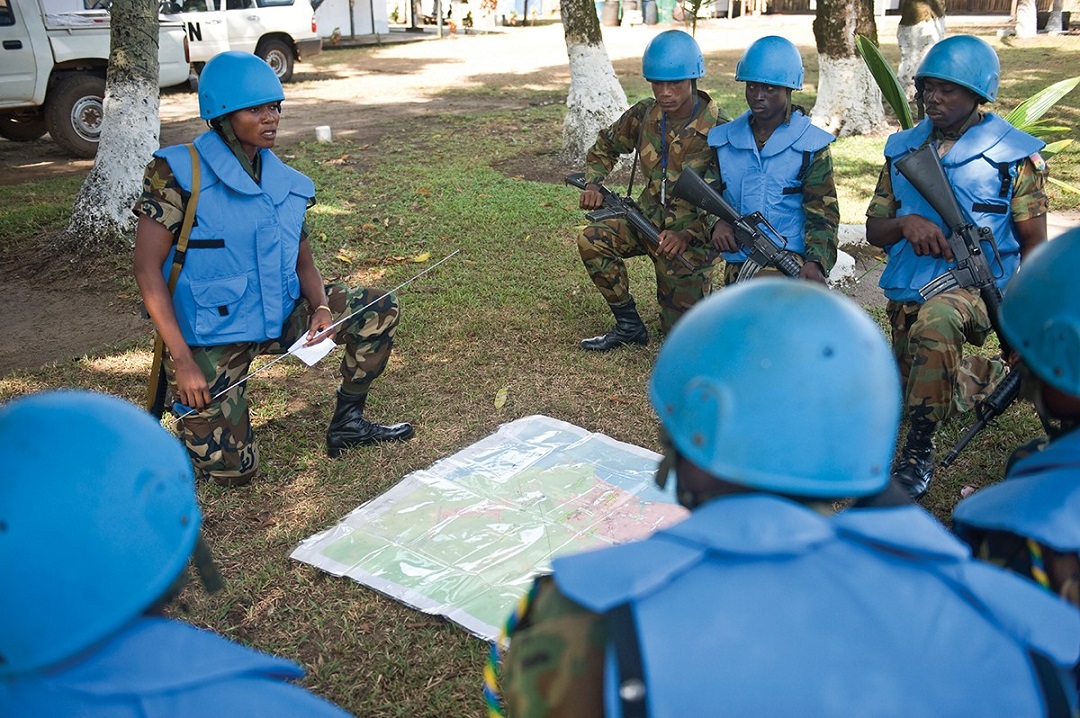
Across Africa, women are steadily gaining ground in armed forces long dominated by men, propelled by gender mainstreaming policies designed to promote equality and improve operational effectiveness. From Nigeria’s Gender Policy for the Armed Forces introduced in 2021 to Gambia’s adoption of a Generic Gender Mainstreaming Policy, governments are seeking to integrate women across ranks and roles while aligning with international frameworks such as United Nations Security Council Resolution 1325 on Women, Peace and Security. As of 2022, women made up an average of 12 percent of army personnel in reporting African countries—an increase of more than 25 percent since 2016 signaling progress despite enduring obstacles.
Historically, African militaries were shaped by colonial structures and post-independence conflicts that sidelined women from formal service, even when they participated informally as combatants, logisticians, or community mobilizers. Momentum toward gender integration gathered pace in the late twentieth century, influenced by global women’s rights movements and regional initiatives led by bodies such as the African Union. In post-conflict states including Rwanda and Liberia, security sector reform created opportunities to embed gender equality into newly reconstructed armed forces, though results have differed widely based on political will and institutional capacity.
Related Articles: Harmonising Border Policies in the African Continental Free Trade Era
West Africa has emerged as a hub of policy innovation. Nigeria’s 2021 gender policy, developed with support from UN Women, provides a framework for mainstreaming gender considerations in recruitment, training, deployment, and leadership development. It aims to address disparities while strengthening institutional professionalism. In Gambia, recently adopted policies addressing gender equality and sexual harassment reinforce a zero-tolerance stance and seek to rebuild public trust in the military following years of authoritarian rule. Sierra Leone has strengthened the role of gender advisers to safeguard dignity and equal opportunity, while Côte d’Ivoire has set a target of 20 percent female representation under its military programming law.
Southern Africa presents a mixed picture. South Africa has been a regional leader since introducing its Gender Mainstreaming Strategy in 2008, reaching 31 percent female participation by 2021 and setting a 40 percent recruitment target. Yet studies indicate that women remain underrepresented in senior command positions, revealing gaps between policy and practice. Botswana began integrating women into its defence forces in 2008 and has adapted facilities and regulations accordingly, but female representation has remained very low, highlighting the slow pace of institutional and cultural change.
In East Africa, Rwanda’s Defence Force has emphasized gender integration since 2007 through initiatives such as a dedicated Gender Desk to improve recruitment and retention. However, social expectations and resource constraints continue to limit women’s participation. Kenya is examining gender mainstreaming to better understand integration dynamics within its forces, while Ghana has achieved notable progress in its air force, where women now account for more than a quarter of personnel following targeted recruitment campaigns and assessments of structural barriers.
Despite these advances, challenges persist across the continent. Women hold fewer than 10 percent of senior officer positions and are often concentrated in non-combat or support roles. Social norms, inadequate infrastructure, and limited funding continue to deter recruitment and advancement. In West Africa, while several countries have set recruitment targets, comprehensive gender mainstreaming across military institutions remains uneven.
Evidence from countries that have made sustained investments suggests tangible benefits. Nigeria has recorded a significant rise in female participation since 2016, alongside the promotion of women to senior ranks, strengthening its peacekeeping capacity. Sierra Leone has appointed women to senior operational roles, and Liberia’s pre-recruitment training programmes have increased female enlistment. These efforts contribute to greater diversity, reduced incidents of gender-based abuse, and stronger relationships between security forces and civilian communities.
Looking ahead, international partners such as the United Nations and the African Union remain central to advancing reform through technical assistance, funding, and policy guidance. Experts stress that lasting progress will depend on transparent oversight, adequate resources, and sustained public engagement to normalize women’s roles in defence. With consistent commitment, African armed forces can evolve into more inclusive institutions capable of responding effectively to contemporary security challenges.


Related Articles
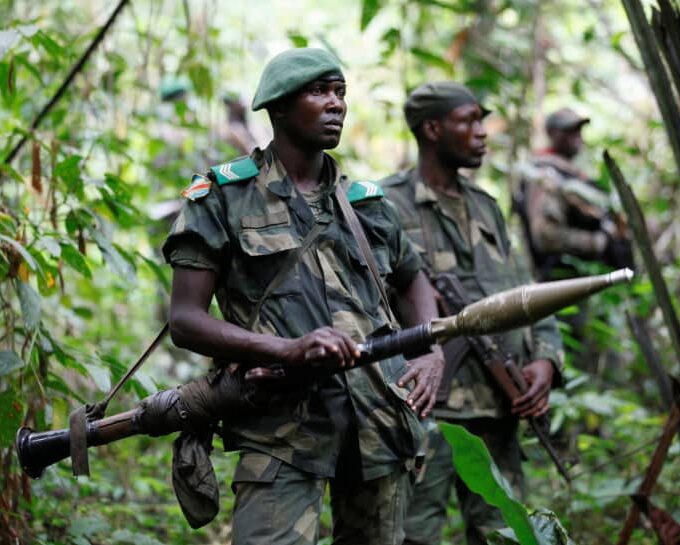
Uganda–DR Congo Joint Offensive Targets Rebel Networks
Uganda and the Democratic Republic of the Congo are intensifying joint military...
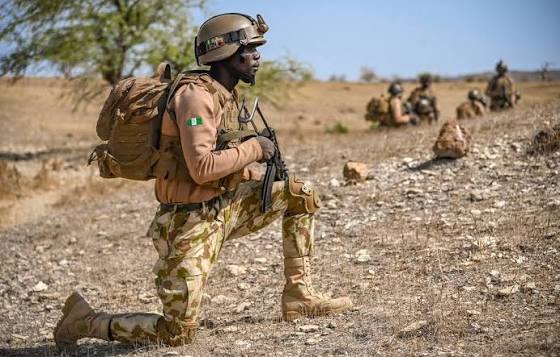
Nigeria’s Intelligence Offensive: Strengthening Regional Defences Against Bandit Networks
Across Nigeria’s forests, rural highways, and fragmented border regions, a new form...
Ethiopia’s Defence Upgrade: Reinforcing Air Power Against Emerging Threats and Redefining Regional Deterrence
Ethiopia is entering a decisive phase in its military transformation, placing renewed...


Mozambique’s Energy Shield: Defending LNG Assets Against Insurgent Threats
Mozambique is intensifying efforts to protect its growing liquefied natural gas (LNG)...
