



BEST DEFENCE POLICY PAPERS ON AFRICA IN THE LAST DECADE
 King Richard Igimoh, Group Editor ALOJanuary 23, 20263 Mins read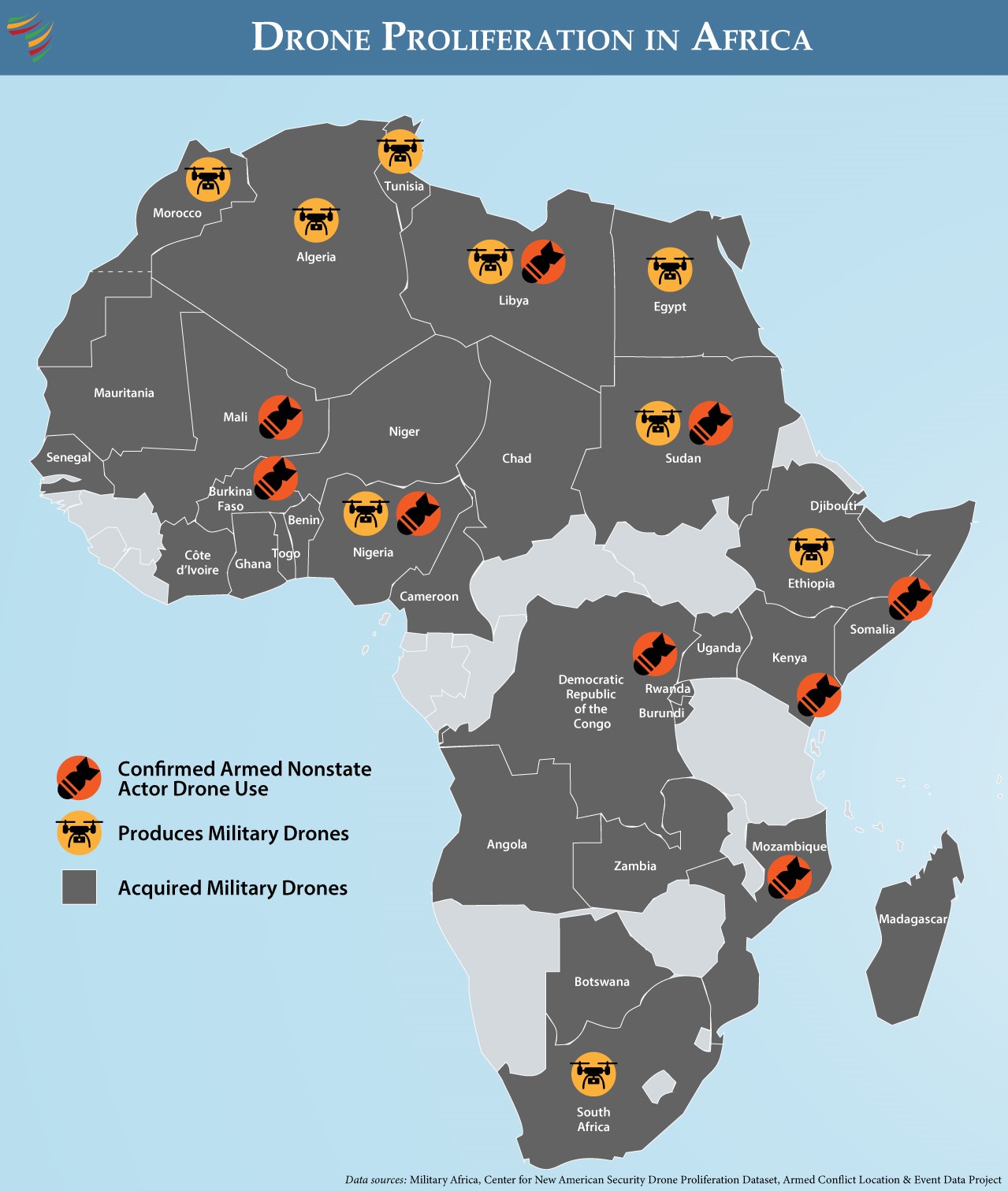
Between 2016 and 2026, defence policy thinking on Africa shifted in response to changing global and regional realities. Intensifying great-power competition, the spread of violent extremism, democratic reversals, and recurring conflicts in the Sahel, Horn of Africa, and Great Lakes region forced policymakers to reassess long-standing approaches. Influential research institutions including the Atlantic Council, CSIS, the Africa Center for Strategic Studies, and others produced policy papers that questioned narrow militarized responses and argued for strategies combining security assistance with governance, economic engagement, and diplomacy. Collectively, these works highlight Africa’s growing strategic relevance and the limits of externally driven security solutions.
One of the earliest and most influential contributions was the Atlantic Council’s 2017 paper, A Measured U.S. Strategy for the New Africa. The study argued that Africa’s economic growth, demographic expansion, and regional integration demanded a shift in U.S. policy. Rather than treating the continent primarily through a crisis or counterterrorism lens, the authors advocated deeper economic partnerships, infrastructure investment, and institutional reform alongside security cooperation. The paper helped reframe Africa as a strategic partner, not merely a recipient of aid or military assistance, and influenced later debates on integrating defence policy with development goals.
Related Articles: African Security Think Tanks and Forums: Shaping the Policy Agenda Beyond the Barracks
In 2019, the Heritage Foundation published A New Africa Strategy: Expanding Economic and Security Ties on the Basis of Mutual Respect, reflecting the Trump administration’s priorities. The paper emphasized trade, private-sector engagement, and burden sharing as central to U.S. defence policy. It called for strengthening African military capabilities through training and equipment while countering Chinese and Russian influence. Although critics viewed the approach as transactional, its emphasis on commercial ties shaped initiatives such as Prosper Africa and reinforced the idea that economic engagement could complement security partnerships.
CSIS played a central role in shaping debate during the early 2020s. Its 2020 report, Defending the U.S. Military Presence in Africa for Reasons Beyond Counterterrorism, challenged proposals to reduce U.S. troop deployments. The authors argued that U.S. forces contributed to crisis response, health security, and professional military norms, not just counterterrorism operations. The report called for a shift toward long-term capacity building and partner support, influencing discussions about AFRICOM’s mission at a time when extremist violence was expanding in the Sahel.
A year later, CSIS released Africa’s Security Challenges: A View from Congress, the Pentagon, and USAID, which emphasized the need for a whole-of-government strategy. The paper addressed overlapping threats from jihadist insurgencies to geopolitical competition and stressed coordination between defence, diplomacy, and development agencies. It also examined legislative proposals such as the AFRICA Act, highlighting the importance of predictable funding and tailored security assistance to support democratic governance and prevent coups.
In 2024, Texas National Security Review published Rethinking U.S. Africa Policy Amid Changing Geopolitical Realities by Haleigh Bartos and John Chin. The paper introduced the concept of an “Africa policy trilemma”: promoting democracy, countering extremism, and competing with China and Russia simultaneously. The authors argued that U.S. policy lacked resources and strategic focus, recommending prioritization of coastal democracies, closer coordination with European partners, and a reassessment of aid allocation. Drawing on recent coups and deteriorating security in the Sahel, the paper offered a grounded critique of existing strategies.
The Africa Center for Strategic Studies’ 2025 publication, Ten African Security Trends in Graphics, stood out for its data-driven approach. Using visual analysis, it documented trends such as the regional spread of conflicts, increased use of drones, persistent military coups, and growing external involvement. The report emphasized African-led solutions aligned with Agenda 2063, highlighting how governance failures and security abuses continue to fuel instability.
By 2026, concern over strategic neglect became more explicit. The Foreign Policy Research Institute’s The Africa Blind Spot warned that limited U.S. engagement risked ceding influence to external actors, while African think tanks such as Assodesire called for greater continental coordination in the face of debt, democratic erosion, and geopolitical pressure. Together, these papers underscored the risks of disengagement.
Taken as a whole, the past decade’s defence policy literature points toward a clear conclusion: Africa’s security challenges require sustained, context-specific engagement that prioritizes African agency. As conflicts, climate stress, and geopolitical competition intensify, future policy thinking will need to move beyond short-term military fixes toward durable political and institutional solutions.





Related Articles
Uganda–DR Congo Joint Offensive Targets Rebel Networks
Uganda and the Democratic Republic of the Congo are intensifying joint military...
Somalia’s Security Reset: Reforming Forces, Crushing Extremism
Somalia is entering a decisive phase in its long struggle for stability,...

Kenya’s Smart Borders: Using AI to Fight Crime and Secure Trade
Kenya is increasingly deploying artificial intelligence and digital technologies to strengthen border...


STRATEGIC PLANNING MANUALS EVERY LEADER SHOULD STUDY
strategic planning, leadership development, business strategy, executive leadership, organisational growth, decision making,...
