



CYBER COMMAND STRUCTURES ACROSS AFRICAN ARMED FORCES
 King Richard Igimoh, Group Editor ALOJanuary 19, 20263 Mins read
African militaries are increasingly treating cyberspace as a core national security domain alongside land, sea, air, and space. Rising incidents of ransomware, espionage, disinformation, and attacks on critical infrastructure have pushed governments to establish dedicated cyber command structures within their armed forces. Interpol has repeatedly identified Africa as a growing target for global cybercriminal networks, reinforcing the urgency of military involvement in cyber defense. As a result, several countries have begun integrating cyber capabilities into their defense doctrines, signaling a shift toward hybrid warfare preparedness.
South Africa was among the earliest adopters, establishing a Cyber Command within the South African National Defence Force under the Defence Intelligence Division in 2015. The command is tasked with both defensive and offensive cyber operations and plays a role in broader information warfare strategies. It works closely with civilian institutions responsible for national cybersecurity and the protection of critical infrastructure. However, progress has been uneven. Persistent underfunding, shortages of skilled personnel, and organizational fragmentation have limited operational effectiveness. Parliamentary assessments have highlighted outdated systems and slow implementation, even as cyber incidents in the country have risen sharply over the past decade. Recent investments suggest renewed intent, but structural challenges remain.
Related Articles: Transitional Justice and the Armed Forces: Navigating Past Atrocities
Nigeria has taken a more proactive approach. Its Cyber Warfare Command was created in response to growing threats, including early cyber intrusions linked to insurgent groups. The command emphasizes intelligence gathering, offensive and defensive operations, training, and rapid response. It operates alongside a dedicated Cyber Warfare School and benefits from amendments to the Cybercrimes Act that improve coordination with national Computer Emergency Response Teams. Partnerships with international technology firms have strengthened capacity, although funding constraints and competing security priorities continue to test sustainability.
Egypt has embedded cyber operations within its armed forces through specialized units responsible for protecting state institutions and military networks. A domestically developed C5ISR framework integrates cyber capabilities with command, control, intelligence, surveillance, and reconnaissance systems, ensuring interoperability across the armed forces. Oversight is provided through a national cybersecurity council, while military participation in multinational exercises demonstrates a focus on joint training and interoperability. Although details of offensive capabilities remain classified, Egypt’s institutional structure and legal framework position it as a regional leader.
Morocco has focused heavily on training and institutional coordination. Its Royal Armed Forces host a Cyber Centre of Excellence responsible for developing cyber defense skills across the military. Operating under national information security authorities, Morocco has reportedly countered hundreds of cyber attacks targeting sensitive sectors such as banking and energy. The country emphasizes international cooperation, including joint training with external partners, and has invested in regional collaboration through cybersecurity hubs. Recent leadership appointments signal an effort to modernize defenses amid growing digital exposure.
Elsewhere on the continent, cyber capabilities are developing at varying speeds. Kenya’s military cyber team has gained international recognition through joint exercises and competitions, while Ghana integrates cybersecurity education into basic military training to address threats such as disinformation. Côte d’Ivoire has established coordination mechanisms between military and civilian agencies to manage daily cyber threats. Algeria has focused on preventive structures within its security forces, though progress remains slower than in some peer states. Together, these cases reflect a fragmented but expanding cyber defense landscape.
Across Africa, common challenges persist. Limited budgets, shortages of skilled personnel, dependence on foreign technology, and uneven infrastructure constrain progress. Political instability and the growing use of cyber tools by non-state actors further complicate the threat environment. Analysts increasingly argue for phased development frameworks that align doctrine, personnel development, and technology, supported by stronger regional cooperation.
As cyber threats continue to evolve, African militaries face a strategic choice. Sustained investment in education, legal frameworks, and interoperable systems, combined with regional and international collaboration, will determine whether cyber commands mature into credible pillars of national defense. In doing so, African armed forces are extending their mission beyond physical borders to protect digital sovereignty in an increasingly interconnected world.





Related Articles
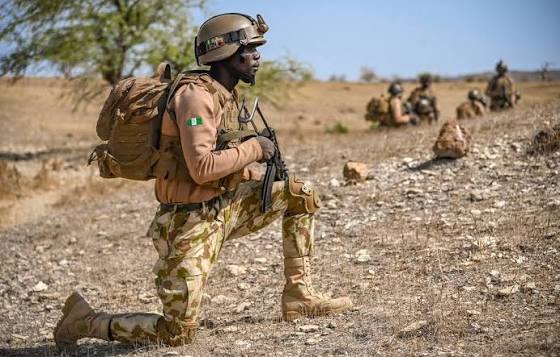
Nigeria’s Intelligence Offensive: Strengthening Regional Defences Against Bandit Networks
Across Nigeria’s forests, rural highways, and fragmented border regions, a new form...
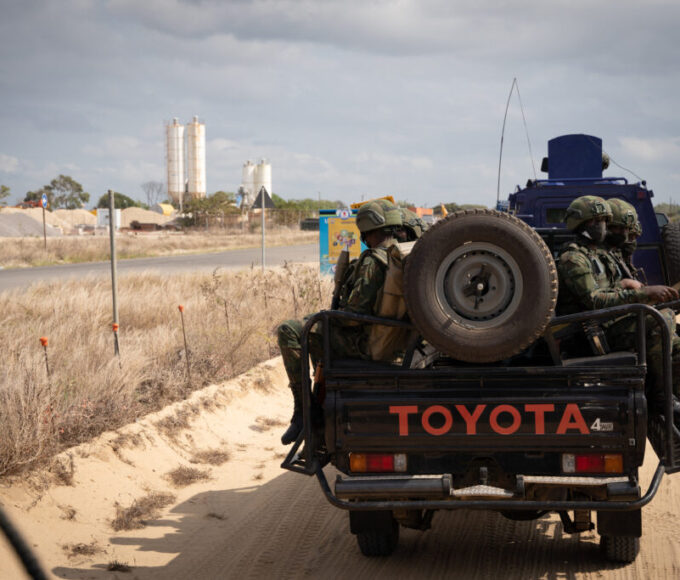
Mozambique’s Energy Shield: Defending LNG Assets Against Insurgent Threats
Mozambique is intensifying efforts to protect its growing liquefied natural gas (LNG)...

Kenya’s Smart Borders: Using AI to Fight Crime and Secure Trade
Kenya is increasingly deploying artificial intelligence and digital technologies to strengthen border...



BREAKING BARRIERS IN THE LAB: AFRICAN WOMEN ADVANCING DEFENCE SCIENCE AND TECHNOLOGY
Across Africa, security threats are evolving ranging from insurgencies and maritime...
