

GLOBAL SECURITY WATCH: IRAN–ISRAEL TENSIONS AND STRATEGIC SIGNALS FOR AFRICA
 King Richard Igimoh, Group Editor ALOJanuary 7, 20263 Mins read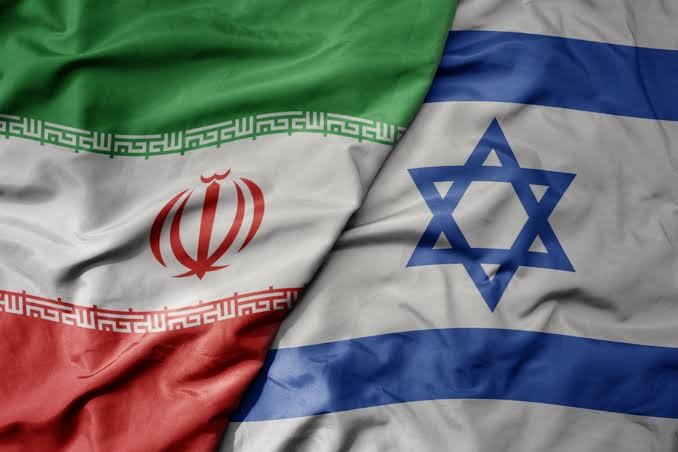
The brief but intense Iran–Israel confrontation of June 2025 marked a turning point in global security calculations. The twelve-day exchange sparked by Israeli strikes on Iranian nuclear and military infrastructure and followed by missile and drone retaliation from Tehran resulted in significant casualties on both sides and drew direct U.S. involvement. While the fighting was geographically concentrated in the Middle East, its strategic aftershocks have reached far beyond, placing Africa in a more exposed position than at any point in recent memory.
For African states, the conflict underscored how distant rivalries increasingly shape local security realities. As Iran and Israel recalibrate after the confrontation, both are expanding diplomatic, military, and intelligence activity across Africa. Analysts warn that fragile states, key maritime routes, and resource corridors could become arenas for indirect competition, raising the risk of proxy confrontations and economic disruption.
Related Articles: RETHINKING HUMAN SECURITY IN AFRICA’S CHANGING DIPLOMATIC LANDSCAPE
The 2025 clashes represented a sharp escalation from years of covert operations and deniable strikes. Israel’s campaign focused on constraining Iran’s nuclear ambitions and weakening its regional networks, while Iran relied on allied groups most notably the Houthis to exert pressure on shipping lanes in the Red Sea. The conflict exposed Iran’s defensive vulnerabilities, accelerating its outreach to Africa for arms markets, logistical access, and political allies. For African governments, the consequences include heightened terrorist threats, the spread of advanced weapons, and growing pressure on continental institutions to maintain strategic neutrality.
Africa’s diplomatic response revealed a lack of consensus. The African Union issued a statement urging restraint and warning of broader threats to international peace. South Africa took a firmer position, condemning Israel’s actions as violations of international law, consistent with its long-standing pro-Palestinian stance. Other countries including Egypt, Kenya, and Nigeria called for de-escalation, mindful of the risk that regional instability could aggravate their own security challenges. Meanwhile, states with close defence and technology ties to Israel, such as Morocco and Rwanda, adopted a notably restrained public posture, reflecting the delicate balance many African capitals now face.
Security concerns are most acute in North and East Africa. Iranian projectiles passing near Egyptian airspace during the conflict highlighted Cairo’s vulnerability to escalation. At the same time, U.S. and Israeli military assets in Djibouti, Somalia, and Eritrea have become potential targets for Iran-aligned groups. Any disruption to the Bab el-Mandab Strait a critical chokepoint linking the Red Sea to global trade routes would have immediate consequences for African economies dependent on maritime commerce. Intelligence assessments also point to the risk of deeper cooperation between militant groups in the Horn of Africa, complicating already stretched counterterrorism efforts.
Proxy dynamics are becoming more pronounced in conflict zones. In Sudan, allegations of Iranian arms transfers to the Sudanese Armed Forces and Israeli backing for rival factions have transformed a domestic power struggle into a broader geopolitical contest. In the Sahel, Iran’s reported drone agreements with governments facing insurgencies signal Tehran’s effort to gain leverage, while Israel has expanded security partnerships in West Africa to counterbalance that influence. These rival engagements risk weakening continental norms on sovereignty and non-interference, particularly in ethnically and politically fragile states.
The economic impact has been equally significant. The conflict triggered short-term oil price spikes and capital flight from emerging markets, with currencies such as South Africa’s rand coming under pressure. Energy-importing African countries faced higher fuel costs, worsening inflation and humanitarian conditions in conflict-affected areas. While oil exporters like Nigeria briefly benefited from elevated prices, the volatility exposed deeper structural vulnerabilities and reinforced the urgency of economic diversification.
Recent geopolitical moves suggest that the contest is far from over. Israel’s late-2025 recognition of Somaliland signaled an effort to secure strategic depth along the Red Sea, drawing sharp reactions from Somalia and regional actors including Egypt and Turkey. Intelligence operations across West and East Africa aimed at disrupting Iranian-linked networks targeting Israeli interests have further illustrated how deeply the rivalry is now embedded on the continent.
Africa may confront a more militarized external environment. Strengthening collective security tools such as the African Standby Force and enhancing maritime surveillance will be critical to limiting spillover effects. As Iran rebuilds and Israel consolidates its strategic gains, African leaders face difficult choices between alignment and strategic autonomy. Without coordinated diplomacy, the signals emanating from this rivalry risk deepening instability, making a renewed emphasis on collective engagement and conflict prevention essential to protecting Africa’s sovereignty and long-term security.


Related Articles
SHADOWS ACROSS BORDERS: AFRICA’S BATTLE AGAINST CROSS-BORDER BANDITRY AND EMERGING SECURITY STRATEGIES
Cross-border banditry has become one of West Africa’s most destabilising security challenges,...
BENEATH THE SURFACE: AFRICA’S UNDERSEA CABLES AND RISING NATIONAL SECURITY RISKS
Africa’s digital economy depends on infrastructure that few citizens ever see. Thousands...
THE ROLE OF TRADITIONAL RULERS IN SECURITY DIPLOMACY
Africa treasures its traditional institutions Traditional rulers, kings, emirs, chiefs, and paramount...


ECOWAS MILITARY INTERVENTION IN NIGER: A TURNING POINT?
The coup d’état in Niger on July 26, 2023, marked a seismic...
