





SPECIAL ECONOMIC ZONES (SEZS) RESHAPING AFRICA’S INDUSTRIAL AND INVESTMENT LANDSCAPE
 King Richard Igimoh, Group Editor ALODecember 9, 20253 Mins read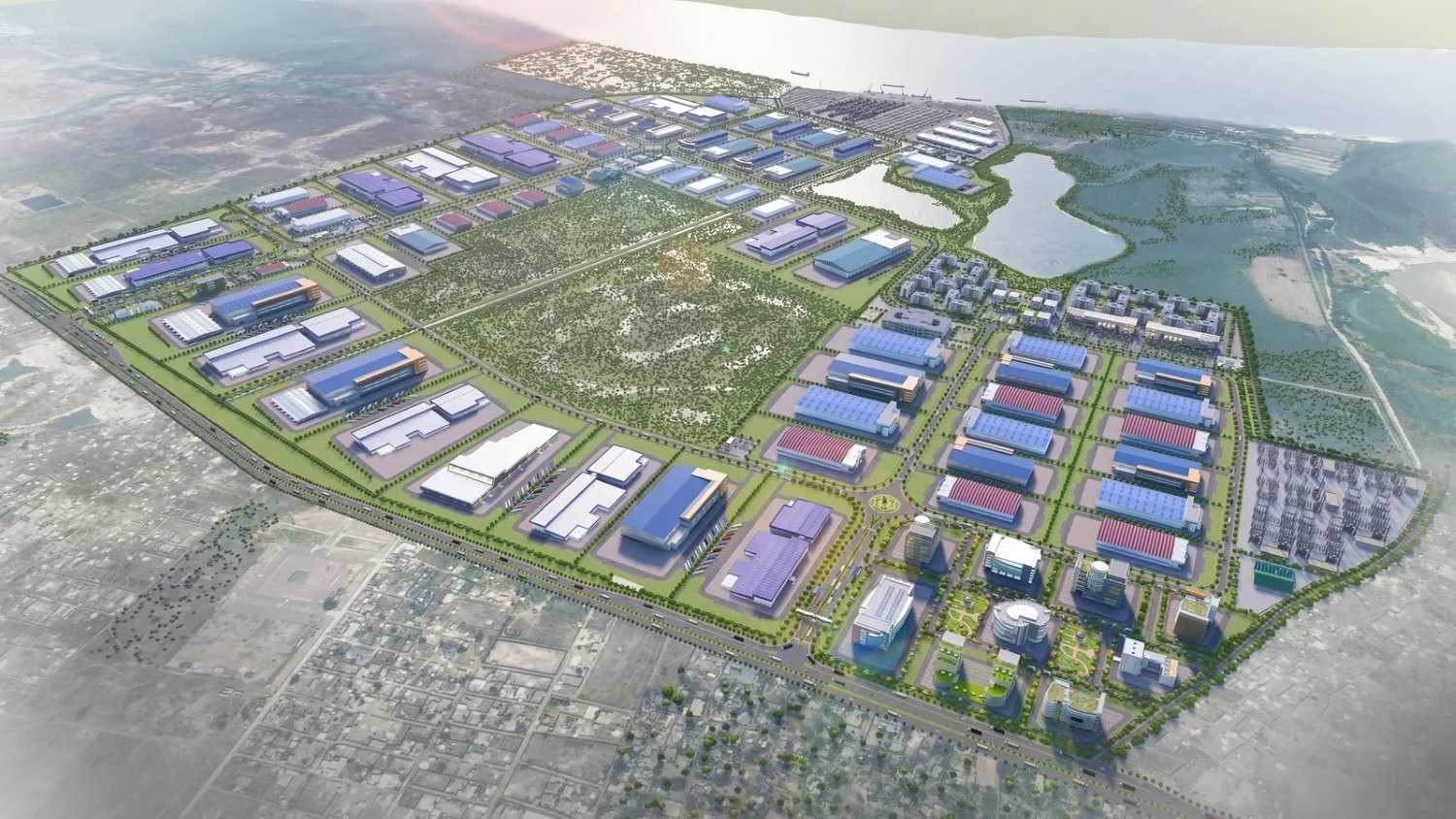
Special Economic Zones (SEZs) have become some of the most dynamic catalysts of Africa’s economic transformation, emerging at a time when the continent is striving for stronger industrial capacity and greater self-reliance. Backed by billions in foreign investment and buoyed by shifting global supply chains, over 200 SEZs are now operational or under development across the region. These zones offer incentives such as tax breaks, simplified regulations, and dedicated infrastructure that attract manufacturers and exporters seeking competitive production bases. From Ethiopia’s Hawassa Industrial Park to Nigeria’s Lekki Free Zone, SEZs are enabling job creation and reshaping trade patterns.
The concept of SEZs on the continent gained real momentum in the early 2000s, though Mauritius pioneered free trade zones as early as the 1970s. The rapid expansion came after 2010, driven by reforms linked to the African Union’s Agenda 2063 and by strategic partnerships with international investors. By 2025, the SEZ landscape had expanded dramatically. The OECD notes that SEZs have become central to industrial strategies, providing improved governance frameworks and deeper integration into regional value chains. This shift reflects a continent-wide effort to move from reliance on raw material exports to developing value-added industries, particularly manufacturing, which still contributes only 10–15% to Africa’s GDP.
Related Articles: WOMEN IN DEFENSE INDUSTRIES: INNOVATORS, ENGINEERS, AND LEADERS
Examples across the continent illustrate the diversity of SEZ models. South Africa’s Tshwane Automotive Special Economic Zone is hailed as a “powerful engine of growth,” emphasizing advanced manufacturing and high-quality job creation. Ethiopia’s industrial parks—supported strongly by Chinese investment—have attracted global apparel companies and created over 100,000 textile jobs. In West Africa, Togo’s Plateforme Industrielle d’Adétikopé (PIA) blends agro-processing with logistics, offering a model tailored to regional market needs. Despite differences in size, sector focus, and governance, these zones share the common goal of building deeper links to global value chains while supporting domestic economic priorities.
Investment flows into SEZs have surged in recent years, reshaping Africa’s industrial and financial environment. By 2025, foreign capital increasingly favored infrastructure, manufacturing, and green industries within SEZs. Global trends such as nearshoring, supply chain diversification, and sustainability mandates have made African production bases more attractive. At the 2025 African Special Economic Zones Annual Meeting, UNECA Executive Secretary Claver Gatete underscored the role of SEZs in building productive capacity and raising manufacturing’s share of GDP. Investors from Europe, Asia, and the Middle East are channeling funds into renewable energy, electronics, pharmaceuticals, and other sectors poised for long-term growth—demonstrating rising confidence in Africa’s industrial potential.
On the ground, SEZs are accelerating a structural shift away from exporting raw materials and toward producing more sophisticated, value-added goods. Congo’s Plateformes Industrielles du Congo (PIC), for example, is promoting technology transfer and workforce development, turning local labor into a competitive advantage. Analysts describe Africa’s modern SEZs as “blueprints for the future,” highlighting innovations in eco-industrial design seen in zones in Kenya, Rwanda, and other fast-developing markets. SEZs are also improving supply chain resilience by facilitating intra-African trade under the African Continental Free Trade Area (AfCFTA). Projections suggest the AfCFTA could add up to $450 billion to Africa’s economy by 2035, with SEZs positioned as key enablers.
However, despite their potential, SEZs face significant challenges. Many zones struggle with inadequate infrastructure, complex regulatory environments, and gaps in workforce skills. A SOAS study on industrial policy notes that misaligned regulations and weak coordination can hinder long-term success. Concerns about environmental management and labor conditions have also sparked debate, with critics arguing that generous incentives sometimes benefit foreign firms more than local communities. Scientific assessments emphasize the need for inclusive policy frameworks to prevent SEZs from widening inequalities rather than reducing them.
Recent developments in 2025 signal renewed momentum. The African SEZs Annual Meeting highlighted the need for solution-driven dialogue around financing, governance, and alignment with Agenda 2063. Business forums such as CNBC Africa’s SEZ roundtables stressed the importance of regional connectivity in an era of global supply chain uncertainty. In Botswana, ongoing expansion of the Botswana Special Economic Zone (BSEZ) illustrates the scale of new investments supporting industrial diversification.
As UN Africa Renewal notes, with sustained commitment the continent can shift “from potential to powerhouse.” By 2030, SEZs could generate millions of jobs and double manufacturing output. But achieving this vision will require equitable policies, environmentally responsible development, and strong pan-African cooperation. As Africa navigates the economic realities of 2025, SEZs stand out as some of the most promising platforms for resilient and inclusive industrial growth.





Related Articles


SOUTH AFRICA’S MILITARY ACADEMIES: CHALLENGES AND PROSPECTS
South Africa’s military academies play a central role in shaping the nation’s...
